
The UK high street and hospitality sectors are once again facing a period of economic uncertainty.
Several established brands and household names are closing stores or disappearing from the high street entirely. Brands such as River Island, BrewDog, QUIZ Clothing, GAME, Revolution and TGI Friday’s have all made headlines in recent months, and these stories are becoming increasingly common.
For employees, communities and customers, these closures are about more than business performance. They represent jobs, memories and long-standing institutions that have shaped the British high street for decades.
From a personal perspective, these are brands I’ve connected with as a customer, partnered with professionally, or even worked for (if we include a short period at GAME during my university days.)
While it may be tempting to point to a single cause, the reality is more complex. Businesses are navigating a combination of economic pressure, structural industry shifts and rapidly evolving consumer expectations.
So how can brands respond and position themselves for long-term success?
A Challenging Economic Landscape

Consumer-facing industries are currently operating in one of the most challenging environments in recent years.
Operational, staffing and rental costs continue to rise. At the same time, global uncertainty, including geopolitical tensions, tariffs and supply chain disruption, is driving volatility in energy prices and logistics.
Meanwhile, many households are still feeling the effects of the cost-of-living crisis. As disposable income tightens, consumers are becoming more intentional in their purchasing decisions. They are comparing options more carefully, prioritising value, and increasingly choosing brands they trust. More importantly, this doesn’t mean consumers stop spending, it means spending becomes more deliberate.
So how does this effect marketers in particular?
Reduced Marketing Budgets
As costs increase and revenues come under pressure, marketing budgets are often one of the first areas to be reduced.
Marketers are now expected to deliver stronger results with fewer resources, while every investment decision faces increased scrutiny.
As one senior marketer recently told me: “Every pound is now a prisoner.”
Changing Customer Expectations
Consumers still want to shop, dine and enjoy experiences, but they are becoming more selective.
Today’s customers prioritise brands that feel reliable, trustworthy and worth the investment.
For marketers, this means that simply increasing promotions or discounting is no longer enough. Customers are not just looking for lower prices, they are looking for confidence in their choices.
Rising Cost of Customer Acquisition
The cost of acquiring new customers continues to increase.
Paid search, social media advertising and digital channels are more competitive than ever. At the same time, privacy regulations, cookie restrictions and evolving algorithms are making targeting and attribution more complex.
As a result, many organisations are seeing steadily rising customer acquisition costs (CAC).
In this environment, growth strategies that rely heavily on acquisition are becoming less sustainable. Instead, brands must focus on maximising the value of existing customers.
—
Why Customer Loyalty and Engagement Matter More Than Ever

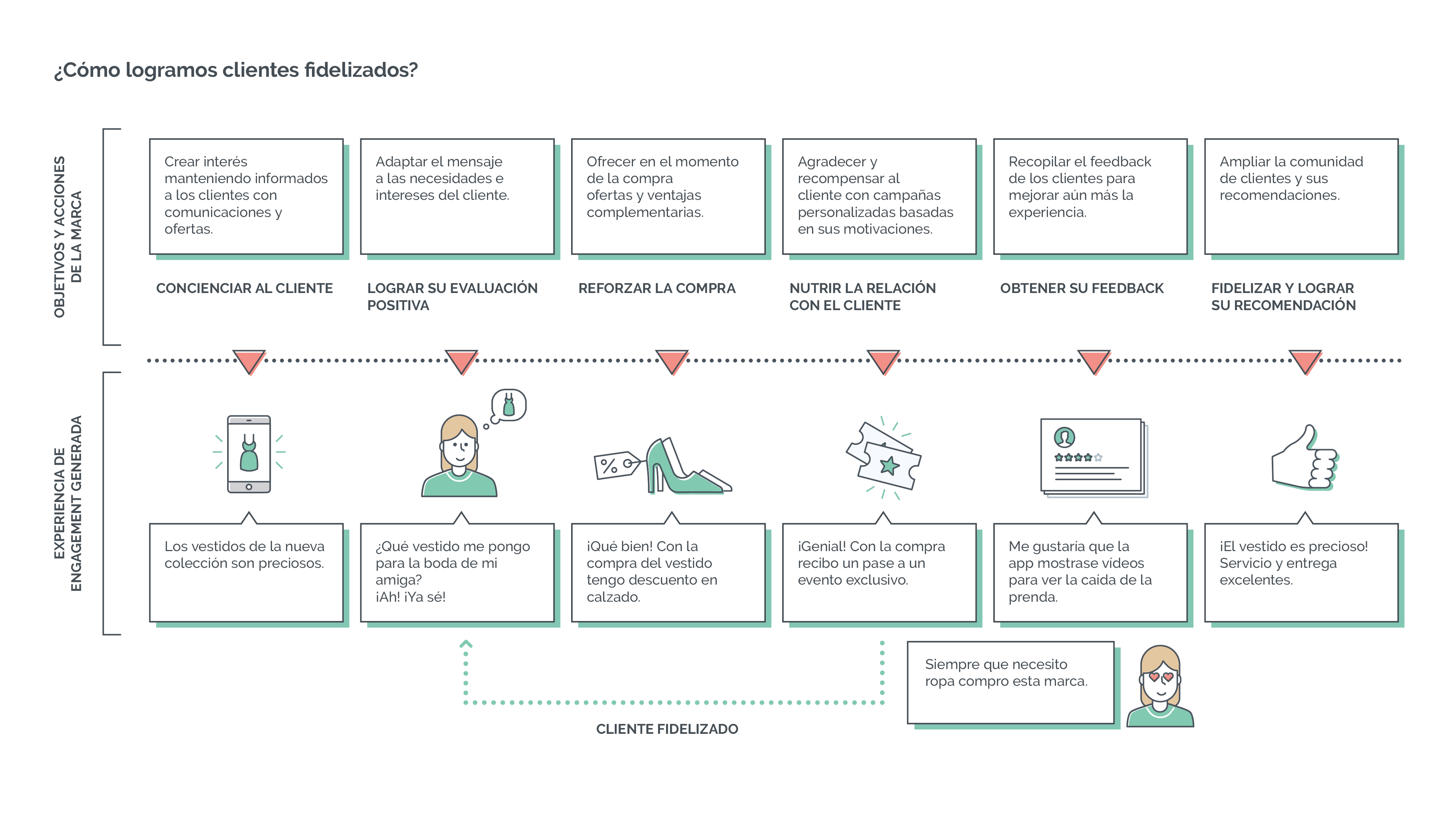
This is where customer loyalty programmes and engagement strategies become critical.
While loyalty initiatives are not a guaranteed solution to economic challenges, they can play a significant role in strengthening relationships between brands and their customers.
Customers who feel recognised, valued and understood behave differently. They are more likely to:
- Make repeat purchases
- Recommend the brand
- Stay loyal even during price increases or economic downturns
At its core, customer loyalty is not just about points, rewards or discounts. It is about building emotional connection, trust and long-term relationships.
During periods of economic uncertainty, these factors become a powerful competitive advantage.
While customer acquisition remains important, customer retention and engagement provide a more stable and predictable revenue foundation.
—
How Brands Can Strengthen Customer Engagement Today
While businesses cannot control external economic conditions, they can control how they engage with their customers.
Here are four key focus areas:
- Build Stronger Customer Relationships: Deepening relationships with existing customers should be a top priority. This includes, delivering more relevant and personalised communication, recognising and rewarding loyal customers and creating meaningful, non-transactional engagement.
- Clearly Communicate Value: In uncertain times, clarity is essential. Customers respond to simple, transparent value propositions. Loyalty programmes and rewards should be easy to understand and genuinely beneficial.
- Leverage First-Party Customer Data: First-party data is becoming increasingly valuable in a privacy-first world. Brands that understand their most valuable customers, and what drives their behaviour, can allocate marketing spend more effectively and deliver more personalised experiences.
- Invest in Employee Engagement: Employee experience has a direct impact on customer experience. Empowered, engaged employees are more likely to deliver the level of service that builds trust and long-term loyalty.
While brands cannot control economic uncertainty, they can control how they invest in relationships. For many organisations, this means placing greater emphasis on customer engagement, loyalty and retention strategies. When consumers are spending more carefully, trust, recognition and emotional connection often determine where they choose to spend.
The brands that invest in these relationships today will be the ones best positioned to navigate the uncertainty of tomorrow.
—
We’re here to help

Every brand is different. The most effective customer loyalty and engagement strategies are never one-size-fits-all, they should reflect your brand’s goals, values and audience expectations.
At Motivait, we specialise in delivering complex, omnichannel and multinational loyalty and engagement solutions.
If you’re exploring how to strengthen your customer engagement strategy, we’d love to start a conversation.